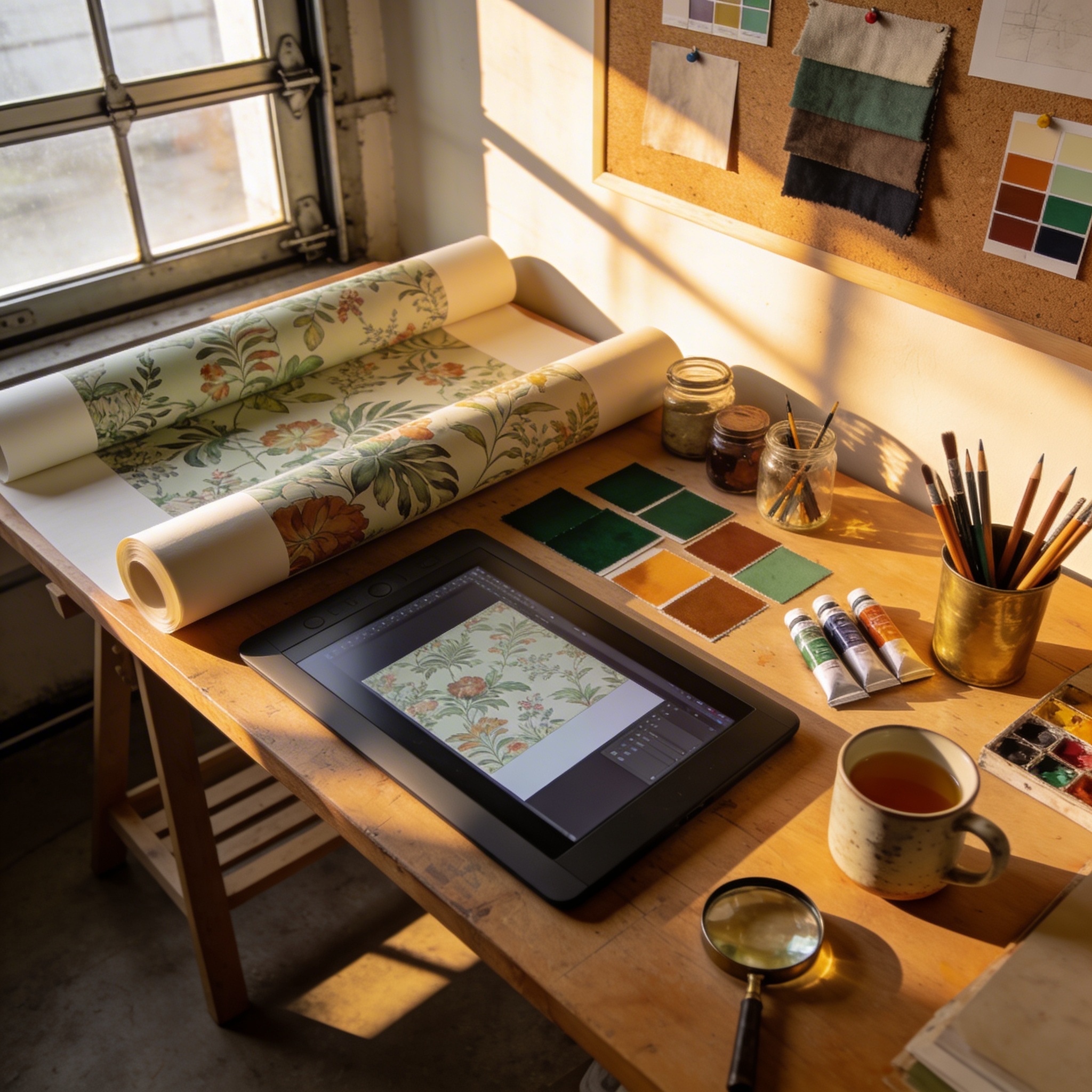

I started designing wallpapers for Indian brands -- repeating patterns, geometric tiles, the kind of work that fits neatly into a catalogue. But scenic murals pulled me in a different direction. A mural is not a pattern. It does not tile. It does not repeat. It is a single, continuous composition designed for one specific wall.
That distinction changed everything about how I work. A misty forest on a 16-foot dining room wall is a completely different composition than the same forest on an 8-foot bedroom wall. The proportions shift. The focal points migrate. The trees need different spacing, the mist needs a different density, the light falls at a different angle. Every wall is a different canvas.
From my studio in India, I design scenic murals for walls in Brooklyn, London, Dubai, and Melbourne. I work on an HP Latex 630W -- a wide-format printer that produces archival-quality output on cotton rag and nonwoven media. The printed result has the softness and depth of hand-painted wallpaper at a fraction of the cost.
The same garden looks different on every wall. That difference is what I design for.
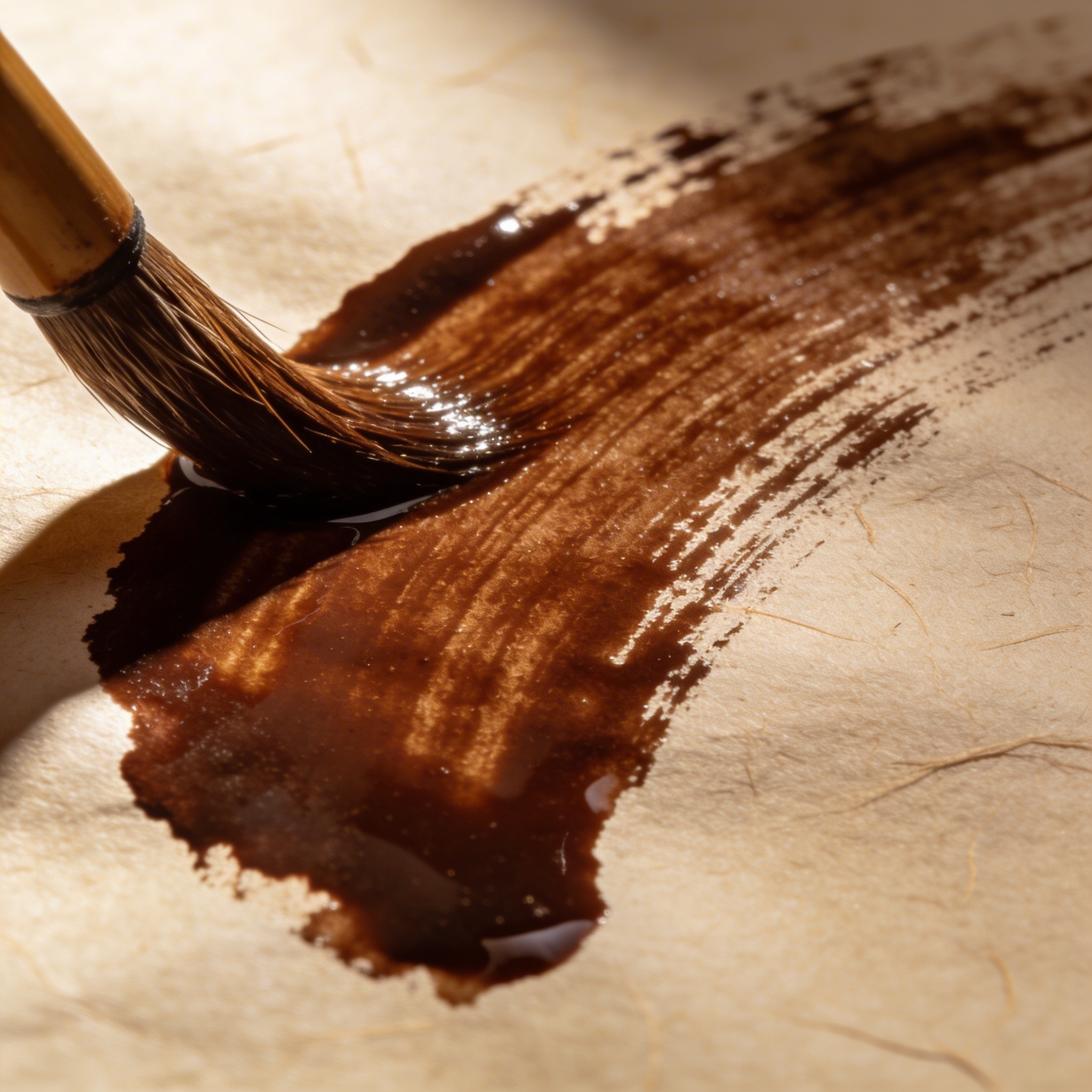
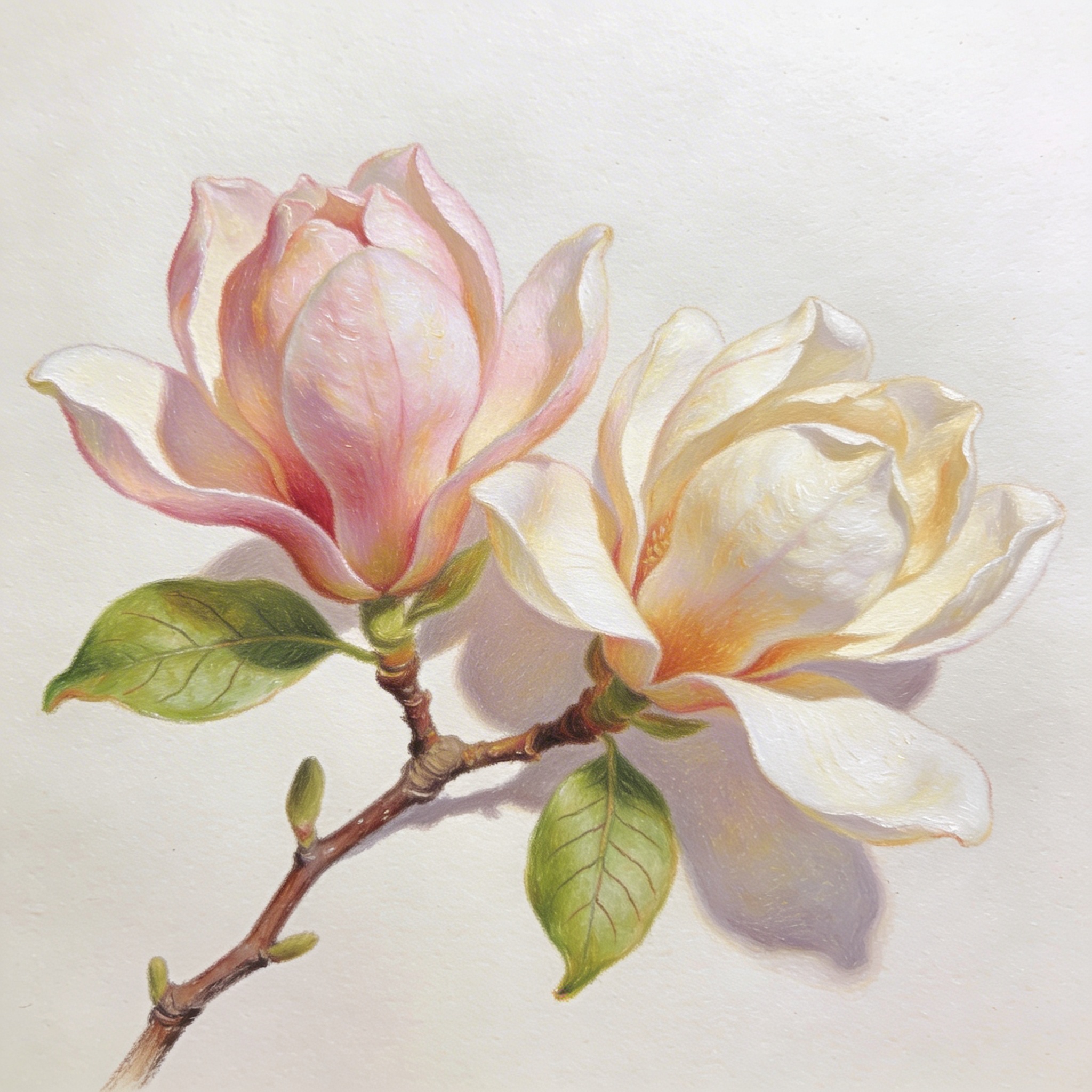
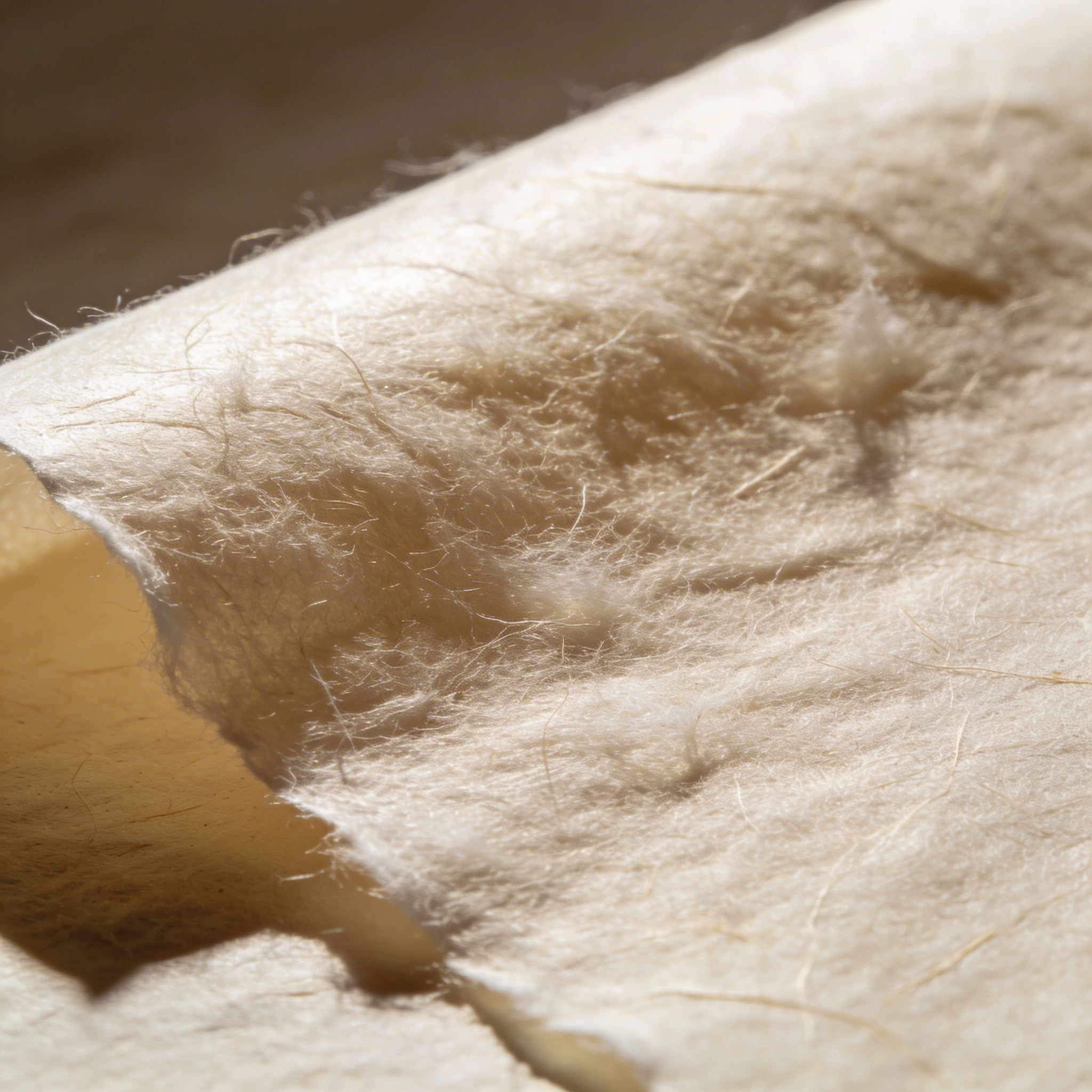
Each mural is printed on archival-grade nonwoven media -- the same material used by heritage wallpaper houses. The HP Latex ink system produces colours with the softness of watercolour and the permanence of pigment print. Up close, you see texture, grain, the subtle warmth of a natural substrate. From across the room, you see a painting on your wall.
I never resize a design to fit. I recompose it.
Each mural is composed individually. There is no template.
Custom scenic murals should not cost thousands of dollars.